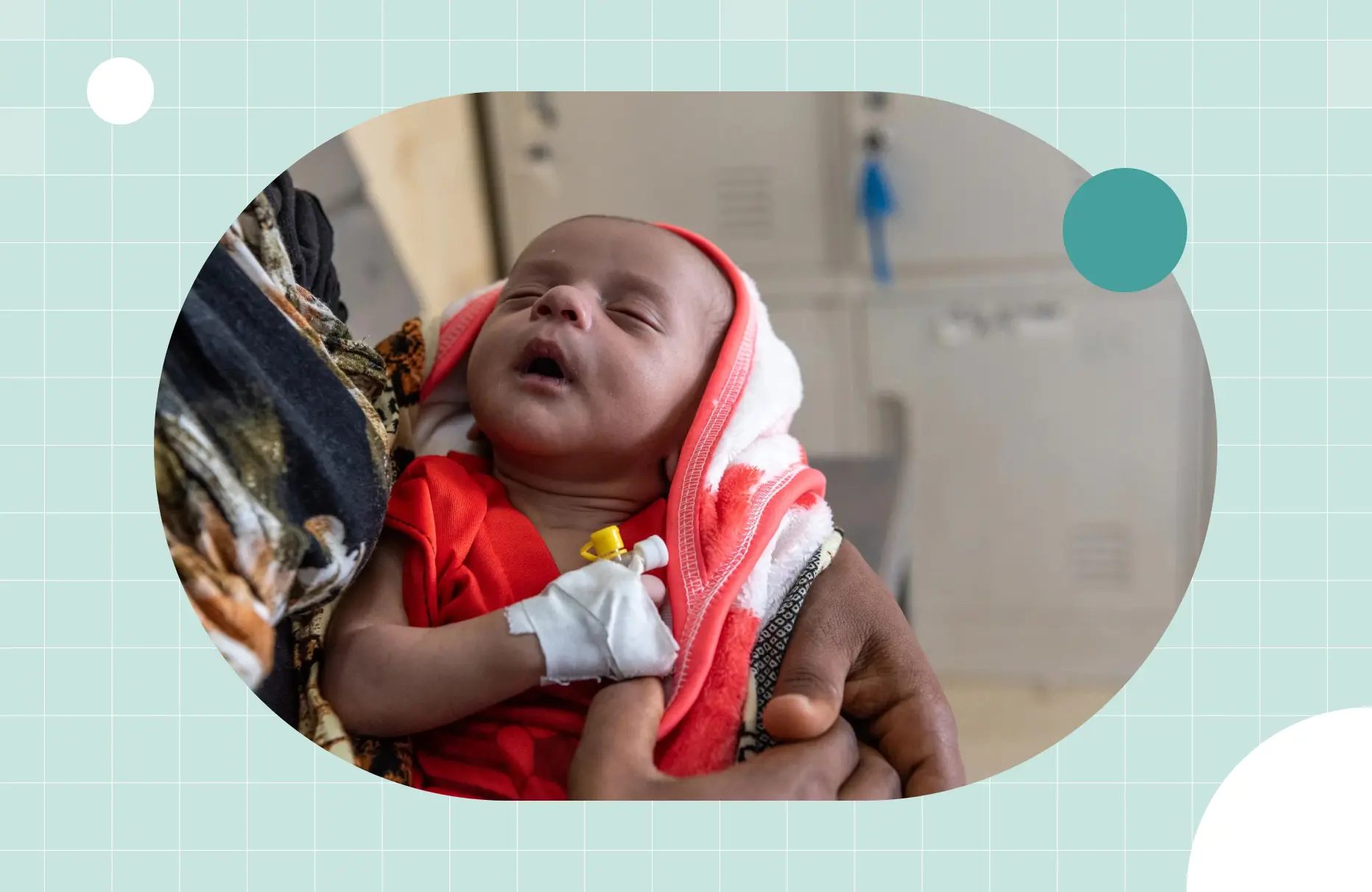
Neonatal sepsis is one of the leading causes of newborn deaths, responsible for 25% of all neonatal fatalities worldwide. Currently, we lack a reliable, rapid test to diagnose and treat sepsis in newborns - leaving doctors uncertain and babies at risk. The Center for Global Development (CGD), a globally recognized policy research organization based in the UK and United States, is leading the charge to change this.
Neonatal sepsis is a deadly bloodstream infection affecting babies in their first 90 days of life. Each year, it claims between 400,000 to 700,000 newborn lives in the UK and worldwide - a quarter of all neonatal deaths (World Health Organisation).
Despite its devastating impact, diagnosing neonatal sepsis remains dangerously slow and unreliable. The only current test - blood cultures - takes 48 to 72 hours and fails in up to 40% of cases. This delay means:
- Many sick babies die because their sepsis is missed.
- Many healthy babies receive unnecessary antibiotics, leading to hospitalizations and serious complications like necrotizing enterocolitis (a severe gut condition caused by antibiotic overuse).
A fast and accurate diagnostic test would be transformational, saving lives and improving care for millions of newborns.
NeoTest, a CGD initiative accelerating innovation for neonatal sepsis diagnostics, is moving from design to implementation.
Daria Bukhman, Co-Founder and Chair of Bukhman Philanthropies, said: "No baby should lose their life because a diagnosis comes too late. Yet today, neonatal sepsis continues to claim hundreds of thousands of newborn lives each year, often because doctors lack the tools to act quickly and with certainty. At Bukhman Philanthropies, we believe that every newborn deserves the best possible start in life. We are honoured to support the Center for Global Development and the NeoTest initiative in advancing faster, more reliable diagnostics, a breakthrough that could save lives and protect families around the world.”